
(This essay was written by Trinitas senior Claire McNeill and published recently in Classis: The Journal of Classical Christian Education.)
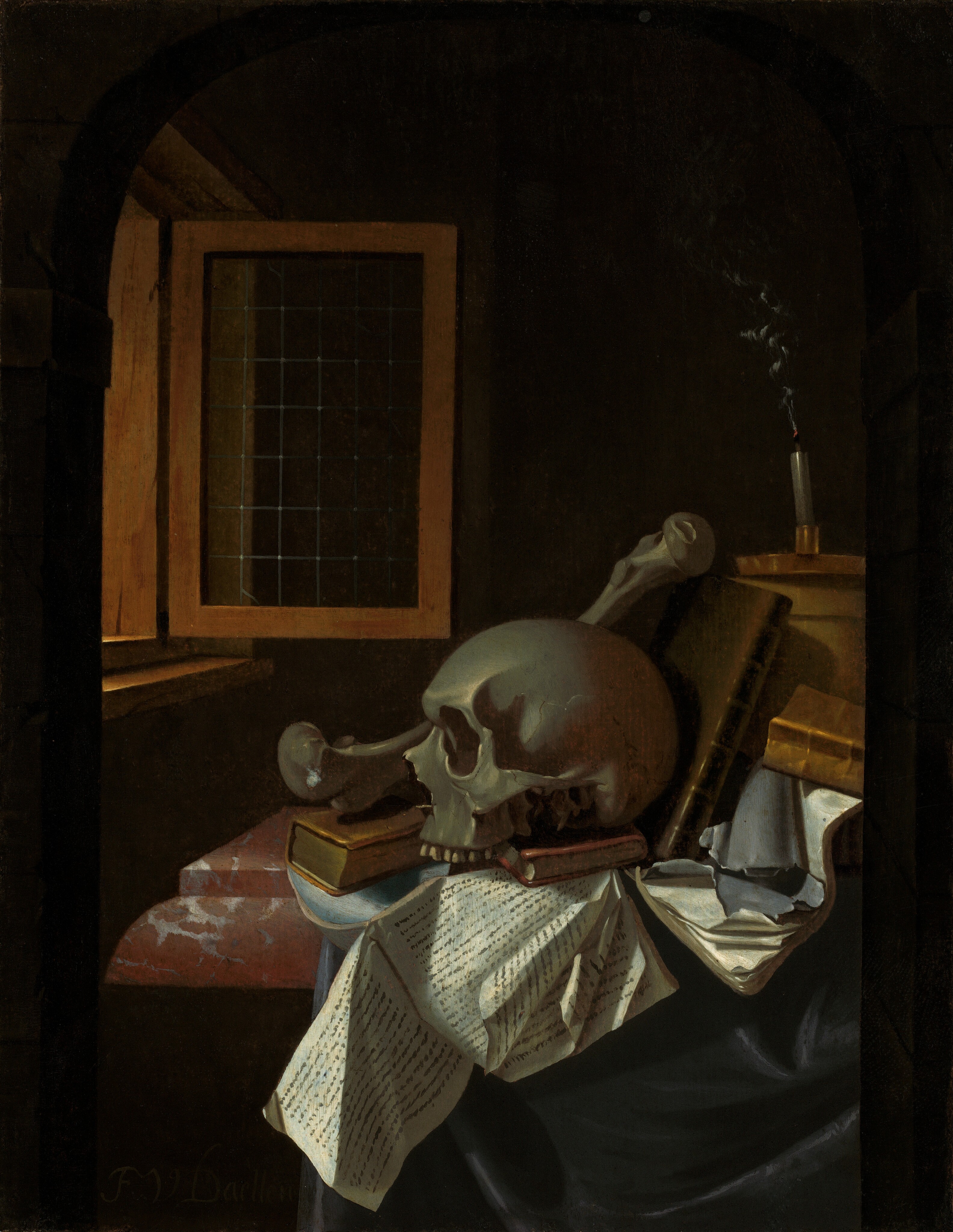
What do we picture when we think of a wise man? The image we typically conjure up is a man who is reputable, well-respected in his community, and sought by all for his sagacity. He is a man of considerable rank and influence. In most of our imaginings, he is surrounded by wealth, like Solomon or the Magi. In contrast, what do we picture when we think of a fool? One who is laughed at, scorned; when he is not ignored, he is either despised or held as ridiculous. These associations are firmly fixed in the minds of men; folly and wisdom are the difference between a child and a man, a jester and a king.


-1.png)

 Parents are in the business of working themselves out of a job. Think about it: from early in a child’s life, the role of parents is to prepare children to be independent. We train them to eat, use the restroom, brush their teeth, dress themselves, read and write, say please and thank you, and lots of other things before they ever lose their first tooth. It doesn’t stop there, of course. By the time they’re teenagers we’re making sure they can get themselves out of bed and to school or work on time, drive themselves around, make all the right friends, take the classes that lead them to the best colleges and then on to the best careers. All these things we do because we know they’ll be on their own soon, and we won’t be there to tell them what to do.